
AI Deepfake Porn Laws Expand Across the U.S., But States Differ on What Is Illegal
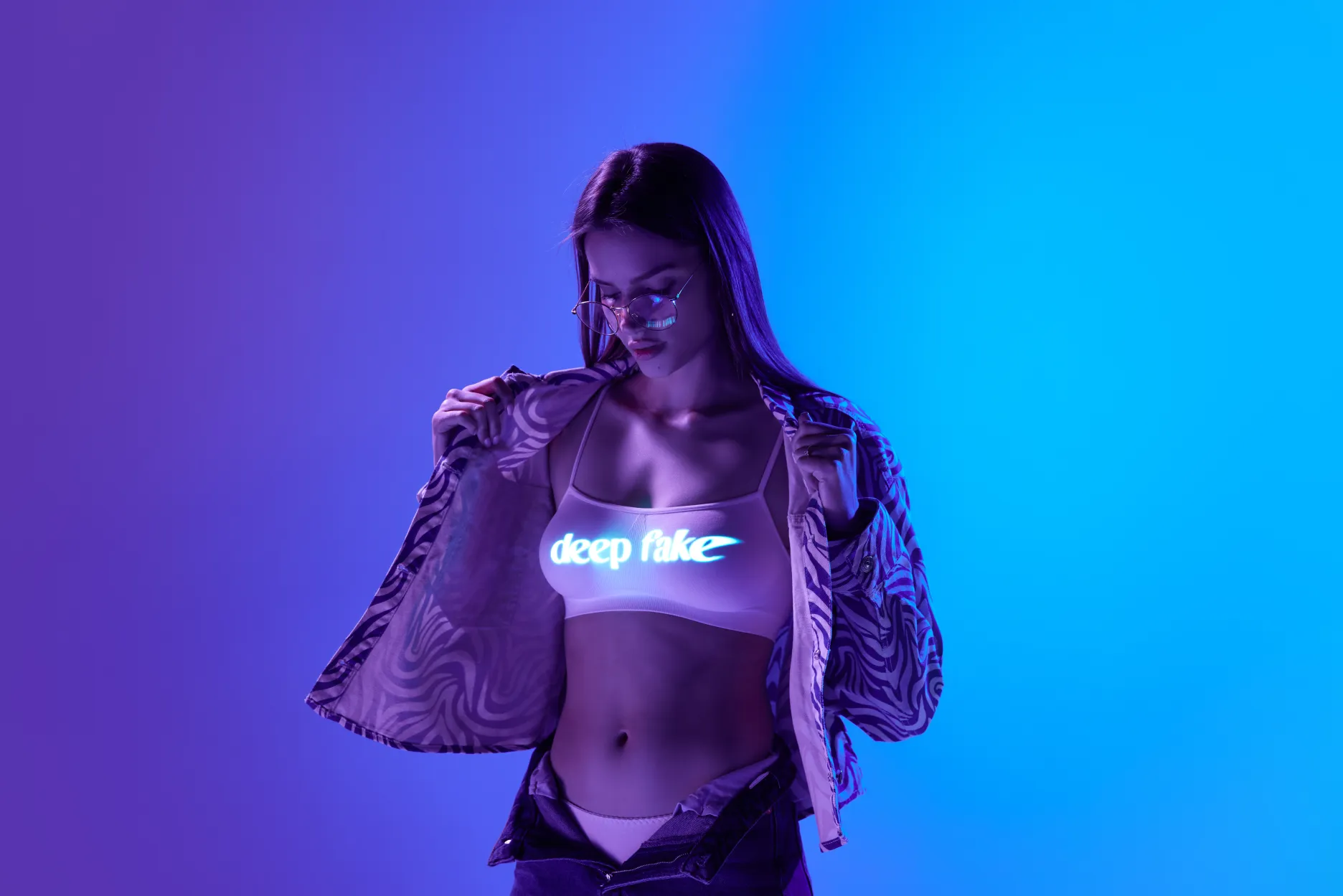
US laws addressing AI generated sexual deepfakes are expanding rapidly, but the legal framework remains fragmented because federal and state laws differ significantly over which activities are criminalized. Some focus primarily on publishing or distributing nonconsensual sexual deepfakes, while others also criminalize their creation, possession, solicitation or use in threats and extortion.
At the federal level, the TAKE IT DOWN Act, enacted in May 2025, became the first federal criminal law specifically addressing the nonconsensual publication of intimate imagery, including realistic AI generated sexual deepfakes. It defines a digital forgery as an intimate depiction of an identifiable person created or altered using AI or other technology that a reasonable person could consider indistinguishable from authentic material.
For offenses involving adults, publication of qualifying deepfake sexual material can result in up to two years in prison, while offenses involving minors can carry sentences of up to three years. The federal law also covers certain threats to publish fabricated intimate imagery when used for intimidation, coercion, extortion or causing mental distress.
Federal authorities have already started applying these provisions. In May 2026, prosecutors in Brooklyn charged two men accused of publishing thousands of AI generated pornographic images and videos depicting celebrities, elected officials and private individuals. The following month, the Justice Department seized CFAKE.com and SOCFAKE.com, which authorities alleged hosted large quantities of fabricated sexual imagery involving women.
The TAKE IT DOWN Act also creates obligations for online platforms. Since May 19, 2026, covered services have been required to provide mechanisms allowing victims to request removal of nonconsensual intimate imagery. Platforms generally have 48 hours to remove validly reported material and known identical copies. The Federal Trade Commission is responsible for enforcing these requirements.
State legislation can go considerably further. Florida, for example, criminalizes deliberately generating an altered sexual depiction of an identifiable person without consent, meaning liability can begin when the image is created even if it is never published. Soliciting such images and possessing them with an intention to distribute them can also constitute offenses.
Texas similarly criminalizes certain production and electronic distribution of nonconsensual sexual deepfakes. Michigan covers both creation and dissemination while providing victims with civil remedies. Washington focuses largely on disclosure, while California has developed both criminal and civil protections that can potentially extend to businesses or individuals facilitating prohibited conduct. New York generally focuses on intentional publication or distribution combined with an intent to cause harm.
These differences are important because creation, possession and distribution are legally distinct actions. Someone who generates a sexual deepfake and stores it privately might fall outside a law targeting publication while violating another state’s prohibition against creation. Similarly, consent to use an ordinary photograph does not imply consent to transform it into sexual material, while consent to create intimate material does not necessarily authorize its subsequent publication.
Cases involving children create additional legal complexities. The National Center for Missing & Exploited Children received more than 400,000 CyberTipline reports connected with generative AI during 2025. More than 182,000 involved categories related to generating or possessing AI child sexual abuse material, attempts to generate it or AI use involving existing CSAM.
Overall, the US is moving toward significantly stronger regulation of AI sexual deepfakes, but there is no uniform nationwide standard covering creation, possession, distribution and publication. Whether conduct is illegal can depend on the victim’s age, consent, how the material was created or used, whether it was distributed and which federal or state law applies.