
Are We Living In A Deepfake Truman Show?
The article examines the rapid growth of AI generated deepfake pornography and non consensual intimate imagery, arguing that increasingly realistic synthetic media is creating serious threats to privacy, dignity and trust in digital content. It opens with the experience of a South Korean woman who received manipulated nude images of herself from an anonymous sender, illustrating how ordinary photographs can be weaponized using readily available AI technology.
South Korea has become a major example of the problem. A BBC investigation cited by the authors identified deepfake pornography affecting young women and children across more than 500 schools and universities. Similar abuse has emerged elsewhere. In China, a Telegram community with more than 100,000 members allegedly operated as a marketplace for AI generated pornography and other non consensual intimate imagery.
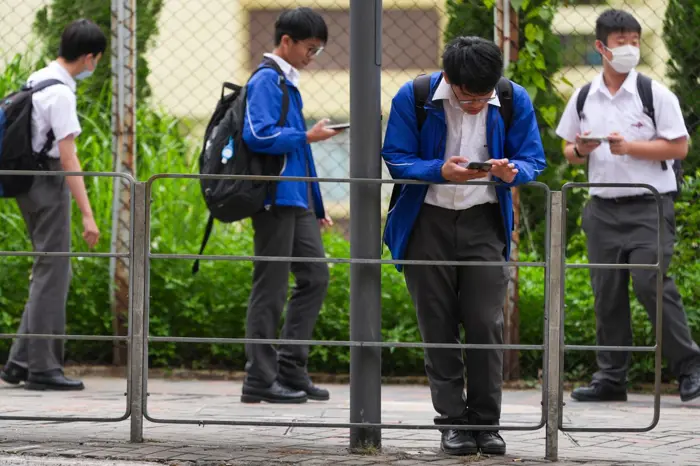
Malaysia has experienced comparable incidents. In April 2025, a 16 year old student in Johor was arrested after allegedly creating explicit AI images of more than 40 female students and former students. The synthetic images were reportedly sold through Telegram for RM2 each. The case also generated criticism after reports that school authorities initially blamed female victims for posting photographs online.
The article emphasizes that deepfake abuse also targets public figures. It cites Northern Irish politician Cara Hunter, who was targeted with an explicit deepfake video shortly before an election. Her experience demonstrated an important legal problem because existing legislation at the time did not explicitly criminalize the creation of synthetic pornography. The authors argue that sexual deepfakes can therefore also be used as tools for intimidation and silencing women in public life.
Beyond individual victims, deepfakes create broader problems for trust in digital evidence. The article discusses the “liar’s dividend,” where the existence of convincing synthetic media allows people to claim that genuine recordings are fabricated. It also identifies copyright complications arising from AI generated works, particularly where no clear human authorship exists.
Malaysia’s current legal framework is described by the authors as insufficiently adapted to synthetic media. Existing provisions covering obscenity, insulting modesty and harmful online communications were largely developed before generative AI. Although they may provide some remedies, the authors argue that legislation should explicitly address the creation, possession and distribution of AI generated sexual deepfakes and NCII.
Malaysia has already taken steps toward stronger platform responsibility through the Online Safety Act 2025, which came into force on January 1, 2026. The article says the legislation places greater responsibility on licensed social media and messaging platforms to prevent harmful online material from spreading.
The authors ultimately call for a combination of specific deepfake legislation, international cooperation, stronger platform accountability and better digital safety procedures in schools. They argue that unauthorized AI replication of a person’s appearance or voice should receive clear legal treatment and that educators should be trained to recognize digital sexual abuse and respond without blaming victims.