

BBC’s deepfake TV series hits uncomfortably close to home
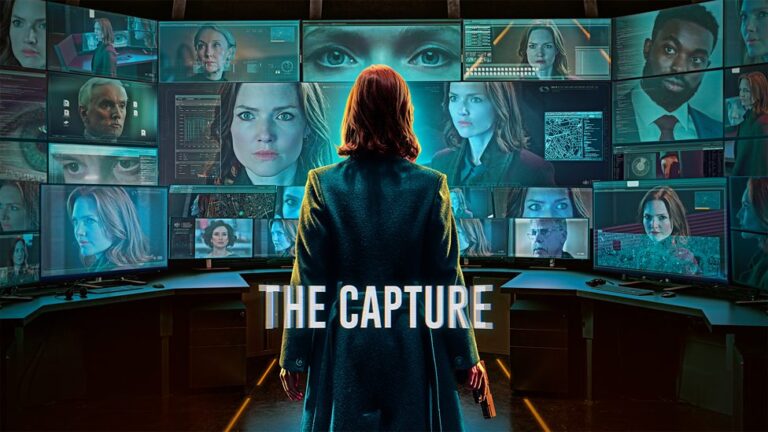
Rethink’s article uses the BBC thriller The Capture to examine how deepfakes, AI video manipulation and surveillance technology now feel much closer to reality than science fiction. The series imagines manipulated CCTV and deepfake evidence being used in criminal investigations, a concept the article says has strong parallels with real concerns in video technology and security.
The article argues that surveillance is similar to anti piracy because much of the industry operates quietly. Many video enhancement, optimization and upscaling companies have considered CCTV and defense use cases, but the legal risks are high. If footage is enhanced with proprietary or non standardized tools, lawyers could challenge whether the evidence has been altered or misrepresented.
A central problem is that CCTV quality remains poor in 2026. Many systems still rely on old H.264 infrastructure, low budgets, weak networks and storage tradeoffs that favor long retention of low resolution footage over shorter periods of high quality video. AI could clean up footage, but adding generated pixels can undermine evidential integrity.
The article also highlights provenance and watermarking as possible safeguards. It points to C2PA, a coalition founded by Adobe, Arm, BBC, Intel, Microsoft and Truepic, as an effort to prove media origin and detect manipulation. Sony’s PXW Z300 camcorder is cited as an example of a device that can embed digital signatures into video files.
Finally, the piece says The Capture was ahead of its time. Since the show first aired in 2019, AI video tools have advanced rapidly, making realistic fake video and real time impersonation more plausible. The article warns that live deepfake manipulation, once fictional, is already appearing in scams and video calls, and detection methods may quickly become outdated.