
Anti-piracy web-blocks back on the political agenda in the US - with VPNs and DNS resolvers facing web-blocking obligations
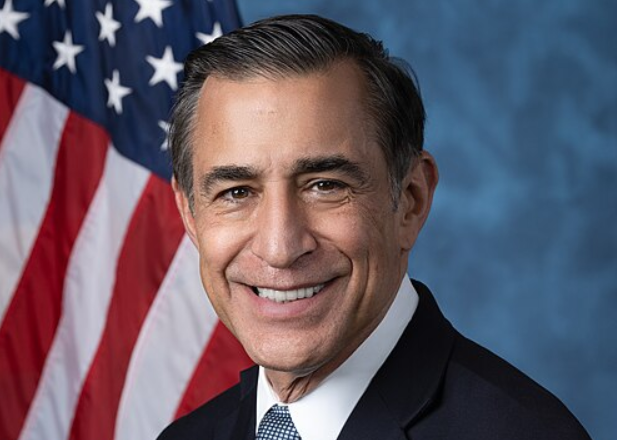
The United States is once again considering website blocking as an anti piracy enforcement tool, with Representative Darrell Issa introducing the American Copyright Protection Act in Congress. The proposal would allow copyright owners to obtain court orders requiring access to foreign piracy websites to be blocked for users in the US.
A particularly significant element is the range of internet services that could be required to implement blocking. The legislation explicitly covers broadband internet providers, DNS resolution services and VPN providers. Earlier versions reportedly did not include VPN services, making the current proposal broader in scope.
Website blocking has been available for years in many European countries and is widely used by music companies, movie studios and sports broadcasters. Rights holders have increasingly sought to extend blocking obligations beyond traditional ISPs to other infrastructure providers, particularly DNS resolvers and VPN services, in an effort to make circumvention more difficult.
The proposal has strong opposition from parts of the technology sector. The Re:Create Coalition argues that the legislation could create censorship, privacy and due process concerns while potentially affecting legitimate websites and internet infrastructure. Critics are particularly concerned that forcing DNS providers to implement blocking could negatively affect internet stability and reliability.
The controversy is not purely theoretical. Cisco has withdrawn its OpenDNS service from France, Portugal and Belgium following requirements for DNS based piracy blocking. This experience is being cited by opponents as evidence of the potential technical and commercial consequences of expanding blocking obligations beyond conventional internet providers.
Rights holders counter that even if technically knowledgeable users can circumvent individual blocks, adding barriers reduces the accessibility of piracy services. Requiring ISPs, VPNs and DNS resolvers to participate simultaneously could make circumvention substantially more difficult for ordinary users.
The American Copyright Protection Act is also not the only proposal under consideration. Representative Zoe Lofgren previously introduced the Foreign Anti Digital Piracy Act, while senators have supported related measures through the proposed Block BEARD Act. This suggests that website blocking has returned more broadly to the US copyright policy agenda after the intense controversy surrounding similar proposals approximately 15 years ago.
Overall, the debate reflects a renewed conflict between copyright industries seeking stronger tools against offshore piracy and technology groups concerned about privacy, due process and internet infrastructure. Whether VPN and DNS providers should be required to participate is likely to be one of the most contested aspects of the proposed US framework.