
Lawmakers Introduce Site-Blocking Legislation To Curb Foreign-Digital Piracy
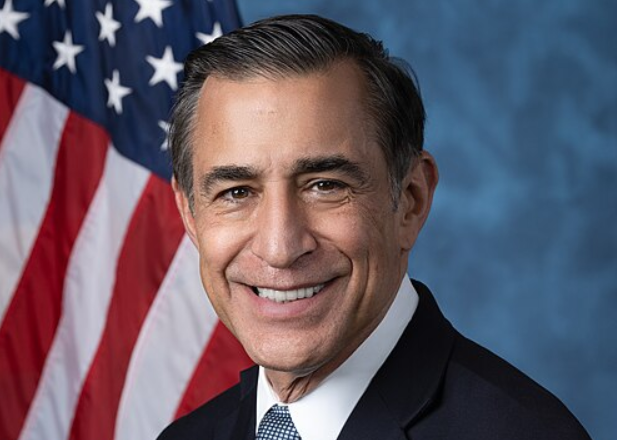
A new anti piracy proposal has been introduced in the US Congress that would establish a legal framework for blocking access to foreign websites primarily engaged in copyright infringement. Representative Darrell Issa introduced the American Copyright Protection Act of 2026, H.R. 10364, which was referred to the House Judiciary Committee.
The legislation would allow copyright owners and exclusive licensees to ask a federal court to formally designate an overseas website or online service as a foreign piracy site. Once that determination has been made, rights holders could seek a separate court order requiring internet intermediaries to prevent users in the United States from accessing the service.
The introduced bill covers several types of intermediaries, including broadband internet providers, DNS resolution services and VPN providers. This is broader than earlier versions of the proposal, which had primarily focused on ISPs and DNS services. Domain name registries and root nameserver operators are excluded from the definition of service providers subject to blocking orders.
The proposal is particularly relevant to live sports and other time sensitive content. It contains procedures allowing courts to accelerate blocking requirements for time sensitive events, potentially enabling piracy sites carrying unauthorized live broadcasts to be blocked much more quickly than under the standard process.
Supporters of site blocking argue that the United States has fallen behind countries where judicial or administrative blocking systems are already used against large scale piracy services. They view court ordered blocking as an additional enforcement mechanism for protecting movies, television, sports and other copyrighted content from offshore piracy operations.
The proposal also includes judicial safeguards. Operators accused of running piracy sites can challenge their designation, while affected service providers can seek changes to blocking orders. The legislation establishes procedures covering enforcement, rescission, liability protection and reimbursement of certain compliance costs.
At the same time, digital rights groups and technology advocates have raised concerns about the potential consequences of site blocking, particularly when DNS providers and VPN services are required to participate. Critics argue that poorly implemented orders could result in overblocking, affect lawful content or create broader technical consequences beyond the specific piracy sites being targeted.
Overall, the bill represents another significant attempt to establish court ordered piracy site blocking in the United States, more than a decade after the controversial SOPA debate. Its focus on foreign piracy services and accelerated procedures for live content could make it particularly consequential for sports and entertainment rights holders if enacted.