

We grew up fearing piracy laws, now AI is rewriting them in Australia
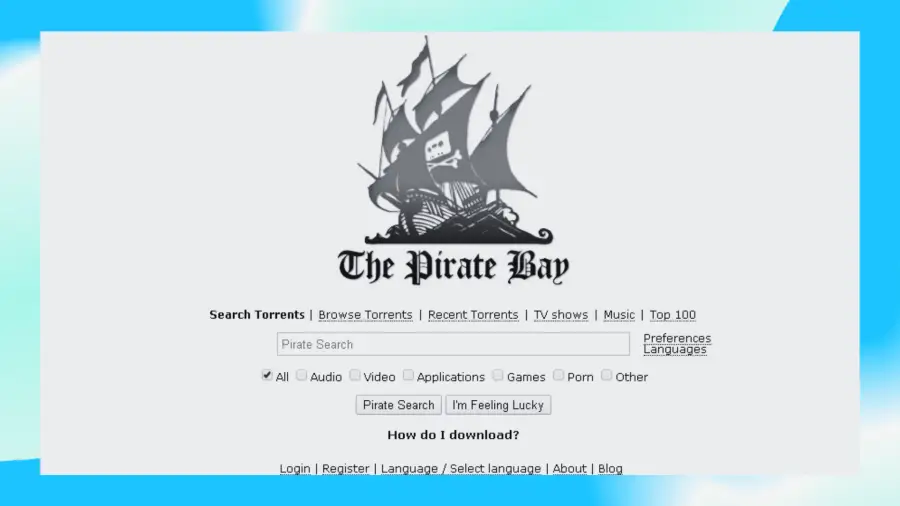
The article examines how Australia’s approach to copyright has shifted dramatically in the age of generative AI. It contrasts the aggressive anti piracy campaigns of the Napster, LimeWire and Pirate Bay eras, when governments and copyright owners pursued lawsuits, criminal prosecutions and ISP blocking orders, with today’s debate over AI companies training models on vast amounts of copyrighted material.
The author argues that while individuals were once told that copying copyrighted works was theft, governments are now treating large scale AI training as an economic and regulatory issue rather than attempting to stop it. Major AI developers have already trained models on enormous collections of books, news articles, images and other creative works, leading policymakers to focus on licensing schemes and compensation instead of reversing what has already happened.
In Australia, the Albanese government has rejected a broad exemption allowing AI companies to freely use copyrighted material for training. Instead, it is considering licensing frameworks that would require AI developers to pay for access to creative content. The Copyright Agency has already begun developing licensing models covering AI uses such as training, fine tuning and retrieval augmented generation.
The debate intensified after reports that the government was considering either a special copyright carve out tied to AI investment or an expanded licensing system. Although government ministers denied these reports, the discussion highlights Australia’s attempt to balance support for AI innovation with protecting creators’ rights.
The article also explores the consequences for small businesses. Many SMEs may unknowingly have their content included in AI training datasets while simultaneously relying on AI tools themselves. At the same time, AI generated outputs may not receive full copyright protection under Australian law if they lack sufficient human authorship, creating uncertainty over ownership and legal risk.
The conclusion is that society has moved from treating unauthorized copying as an act deserving punishment to treating it as a negotiable commercial practice. Instead of asking whether AI companies should have copied copyrighted works in the first place, governments are increasingly debating how creators should be compensated after the fact, reflecting a fundamental change in how copyright is viewed in the AI era.