
Wikipedia, others plan 1-day blackout over anti-piracy bills
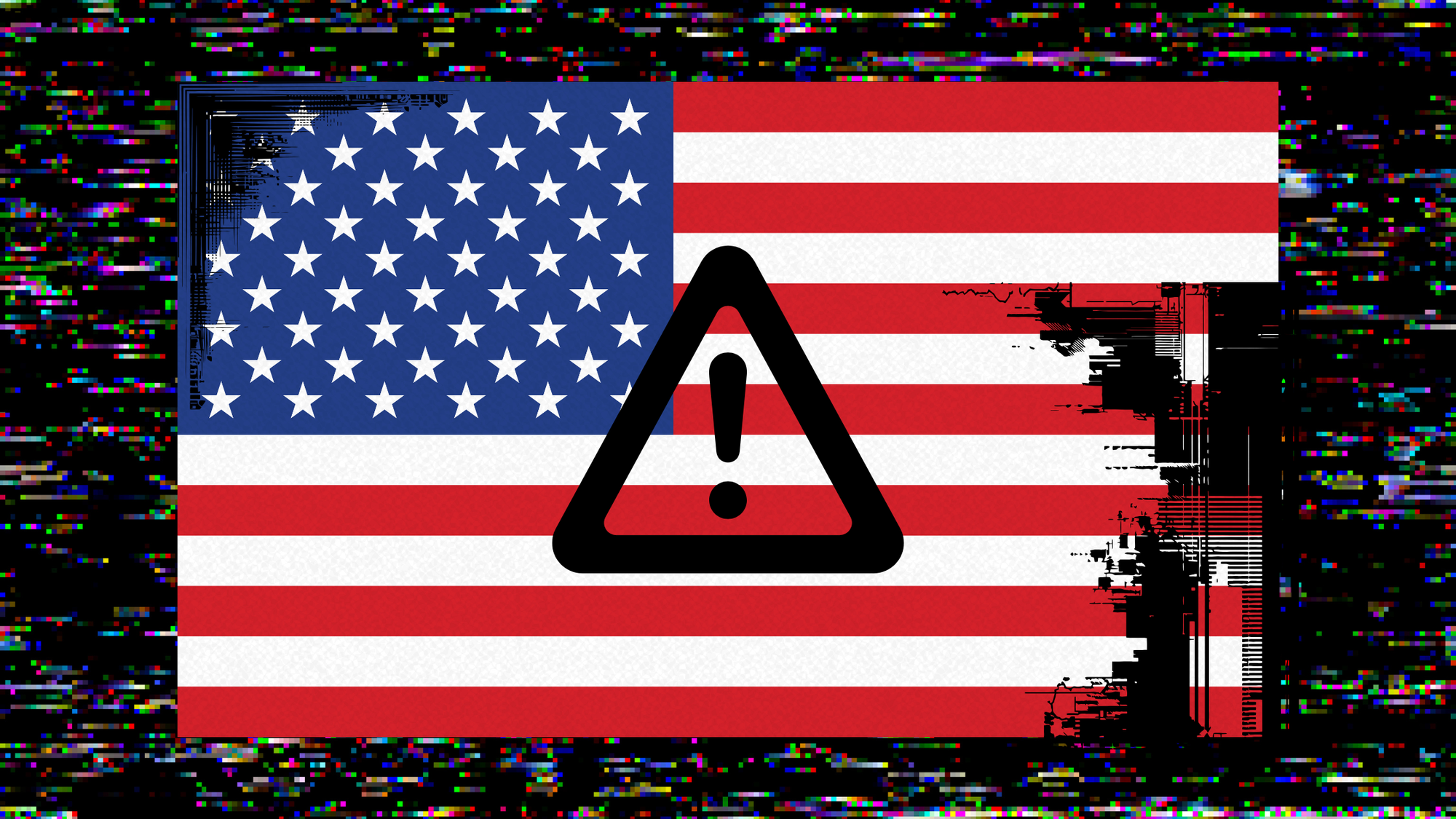
Wikipedia and hundreds of other websites announced plans for a 24 hour blackout in January 2012 to protest proposed US antipiracy legislation, particularly the Stop Online Piracy Act, known as SOPA, and related measures. The protest was intended to draw public attention to legislation that technology companies and internet advocates argued could fundamentally change how online services operate in the United States.
Wikipedia founder Jimmy Wales announced that the English language version of Wikipedia would become unavailable for an entire day. Wikipedia joined Reddit, Boing Boing and hundreds of other websites participating in what became known as the SOPA Strike. The coordinated action was designed to demonstrate how the proposed legislation could affect access to online information and services.
Opponents argued that SOPA and related legislation gave authorities and rights holders excessive powers to act against websites suspected of facilitating copyright infringement. They warned that these mechanisms could result in legitimate websites being blocked or shut down and could create new tools for internet censorship. Wales said the proposals threatened the free and open nature of the internet and could enable censorship of international websites within the United States.
The legislation was strongly supported by the film, music and broader media industries, which argued that stronger enforcement measures were necessary to combat large scale online copyright infringement, particularly piracy services operating outside the United States. Rights holders maintained that foreign websites were profiting from unauthorized distribution of American movies, music and other copyrighted works while remaining difficult to reach through existing US enforcement mechanisms.
The Motion Picture Association of America defended the proposed legislation and criticized the blackout campaign. Michael O’Leary, who was leading the MPAA’s legislative campaign, argued that opponents were using misinformation and publicity tactics to distract from the underlying problem of foreign operators illegally distributing American intellectual property. The MPAA maintained that negotiations had already produced progress toward legislation capable of protecting copyright without creating the extreme consequences described by opponents.
The dispute therefore represented a broader conflict between two competing priorities. Technology companies, online communities and digital rights advocates emphasized internet openness, freedom of expression and protection against excessive intermediary liability. Entertainment companies and other rights holders emphasized the economic damage caused by online piracy and the difficulty of enforcing US copyright law against foreign websites.
The Wikipedia blackout became one of the most visible public demonstrations against SOPA and helped transform what had largely been an industry and legislative debate into a mainstream public issue. The article captures the sharp disagreement over whether stronger antipiracy powers were necessary intellectual property protections