
Republican bill would order ISPs, DNS providers, and VPNs to block piracy sites

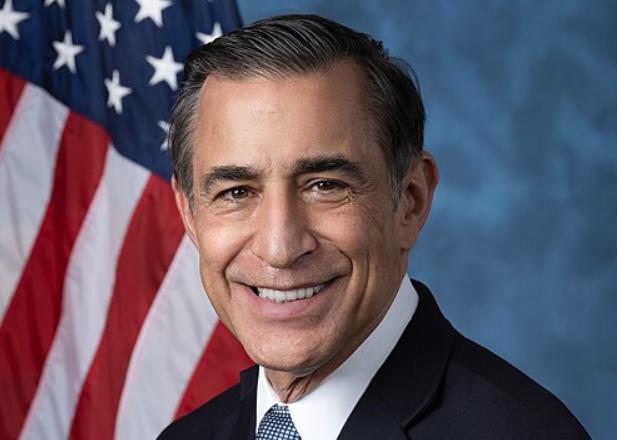
US Representative Darrell Issa has introduced the American Copyright Protection Act of 2026, proposing a new legal framework that would require internet infrastructure providers to block access to foreign piracy websites following a federal court order. The proposal targets ISPs, DNS resolution services and VPN providers, significantly expanding the range of companies that could become involved in copyright enforcement.
Under the proposed system, copyright owners could ask a court to formally declare an online service a “foreign piracy site.” They would need to demonstrate, based on a preponderance of the evidence, that the foreign site is primarily designed or operated for copyright infringement. Once that declaration is obtained, rights holders could request a second court order requiring network providers to block access to the site.
The obligations would apply to ISPs, DNS providers and VPN services with at least 100,000 monthly US users or subscribers. Root nameserver operators and top level domain registries would be excluded, as would WiFi networks provided at locations such as airports, libraries, restaurants and retail stores.
A particularly important aspect of the legislation concerns live sports and other time sensitive content. Service providers would normally have 14 days to object to an order, but judges could shorten deadlines for time sensitive events. This could enable substantially faster blocking of websites illegally streaming live sports or distributing newly released content within its first 24 hours. Issa specifically raised concerns about whether existing copyright enforcement mechanisms can react quickly enough during sporting events that may last only 45 minutes or a few hours.
The proposal is supported by the Motion Picture Association, which has been campaigning for a US site blocking mechanism for several years. The MPA argues that more than 50 countries already use some form of piracy site blocking and that the absence of such a system in the US causes substantial losses for American creative industries. Similar proposals have received support from lawmakers in both major US parties.
However, technology and digital rights organizations have raised significant concerns. Public Knowledge, the Electronic Frontier Foundation, the Computer & Communications Industry Association and other groups argue that blocking systems can inadvertently restrict legitimate websites and internet infrastructure. They point to examples in Europe where anti piracy blocking has reportedly affected unrelated businesses and services.
Critics are particularly concerned about extending blocking obligations to DNS resolvers and VPN providers. They argue that DNS level intervention can have effects beyond the intended website and that requiring VPN providers to filter traffic could raise privacy and technical issues. Research into Italy’s Piracy Shield system cited by Ars Technica found that hundreds of legitimate websites had been unintentionally affected by blocking.
The legislation therefore represents a significant renewed attempt to establish judicial piracy site blocking in the United States, with faster procedures specifically relevant to live sports piracy. The central debate is whether these measures can effectively disrupt foreign piracy operations while avoiding overblocking, privacy problems and unintended effects on legitimate internet services.